

Ignoring OSHA regulations, occupational safety standards, and safety compliance standards endangers employees and increases risk for the company. Failure to conduct safety audits or address Arbeitssicherheitsbedenken can lead to violations during inspections by a CSHO (Compliance Safety and Health Officer). During investigations, subpoenas and affidavits may be required, involving legal counsel or even a District Attorney. Neglecting Section 17(e) of the OSH Act, penalties for safety violations, and workers' compensation issues further amplifies legal risk. Comprehensive compliance programs ensure adherence to Arbeitssicherheitsvorschriften, protecting employees and strengthening overall operational safety.
Ensuring workplace safety and health requires identifying and minimizing common risks such as falls, slips, and trips, which frequently lead to injuries in the construction industry. Ignoring these hazards can lead to musculoskeletal disorders, including carpal tunnel syndrome, tendonitis, and back pain. Implementing appropriate safety protocols, ergonomic solutions, and risk assessments helps prevent these conditions and promotes a safer and healthier work environment.
Clear communication of employee safety protocols is crucial to avoid confusion and ensure correct behavior in the workplace. When adherence to safety protocols is weak due to unclear instructions, the likelihood of accidents increases. Neglected communication can have severe consequences, including injuries, fines, and reputational damage. Multilingual safety communication ensures that all employees, regardless of language, understand and comply with safety requirements, fostering a safer and more compliant work environment.
Wearing PPE incorrectly exposes employees to injuries and workplace risks. Compliance with PPE regulations is vital to ensure consistent protection. Regular PPE inspections help ensure that it fits correctly, is in good condition, and is suitable for the specific task. Ensuring PPE compliance through training and supervision strengthens the safety culture and reduces the risk of accidents.
Uncomfortable equipment can lead to employees not wearing PPE consistently. Improper use of safety equipment increases the risk of accidents and exposure. Resistance to PPE negatively impacts overall safety compliance. Therefore, it is crucial to provide well-fitting, ergonomic gear and conduct corresponding training to ensure compliance and maintain a safe workplace.
Failure to recognize workplace hazards puts employees at risk of accidents and injuries. If hazards are not identified early, timely risk mitigation measures cannot be taken. A thorough hazard assessment and monitoring of risk conditions ensure that potential threats are recognized and resolved. Implementing a comprehensive workplace risk assessment program helps prioritize safety measures, reduce incidents, and ensure legal compliance.
Neglecting the maintenance of equipment and facilities increases the likelihood of malfunctions and accidents. Adhering to strict maintenance schedules and protocols ensures that equipment remains safe and functional. Routine safety walkthroughs and workplace inspections help identify hazards early. Promptly investigating safety incidents allows organizations to address root causes and prevent future accidents.
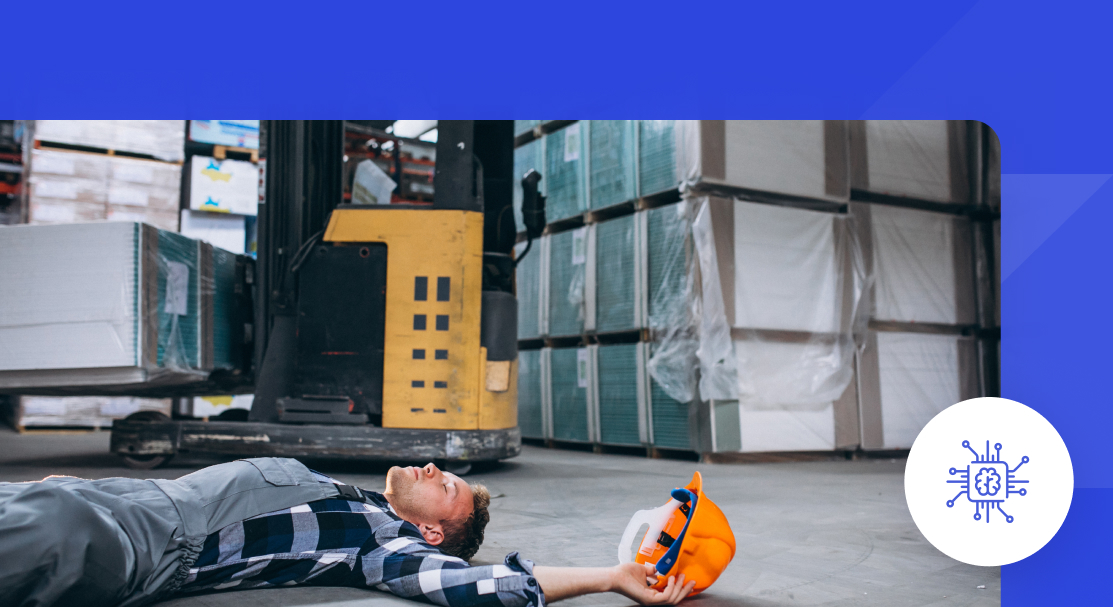
In the event of an occupational incident or death, a structured disaster investigation is essential. Coordination with Emergency Medical Technicians (EMTs), police, and the Forensic Science Institute ensures proper handling of the situation. Communication with employees' families and, when appropriate, the media ensures transparency and support. Conducting a root cause analysis identifies underlying issues and leads to effective corrective actions. Formally apologizing and implementing lessons learned strengthens workplace safety and prevents future incidents.
Complacency in workplace safety culture occurs when employees and management underestimate risks, leading to avoidable incidents. Developing a strong safety culture promotes awareness, accountability, and proactive behavior. Integrating incentive structures into the safety culture motivates personnel to consistently follow protocols. Engaging employees in safety measures and regularly evaluating the effectiveness of safety programs ensures that safety is a top priority and reduces accidents. This is often the first step in a Veränderung der Sicherheitskultur am Arbeitsplatz.
Effective organizational and management factors are crucial for maintaining workplace safety. Employers, supervisors, and executives play a key role in promoting a strong organizational culture that prioritizes safety. Supporting professional and personal development motivates employees to adhere to protocols and improve their skills. Involving certified professionals ensures that safety programs are correctly designed, implemented, and monitored, thereby reducing risks and improving overall well-being in the workplace.
Neglecting to report near misses prevents organizations from identifying potential hazards before they cause harm. Failure to track near misses limits the opportunity to analyze patterns and implement preventive measures. Proper incident reporting ensures that lessons are learned, risks are minimized, and workplace safety is continuously improved.
Implementing behavior-based safety incentive programs motivates employees to follow safety protocols and reduce risky behavior. Monitoring Key Performance Indicators (KPIs) allows organizations to measure safety performance and track improvements. Effective reporting systems ensure that hazards, near misses, and incidents are documented and promptly addressed, strengthening overall workplace safety.
Ineffective internal safety investigations fail to uncover the root causes of accidents, allowing hazards to persist. Proper preparation for safety interviews ensures that accurate information is gathered from employees and witnesses. Applying structured interview techniques helps organizations identify systemic issues, implement corrective actions, and prevent future incidents.
Using the wrong tool for a task increases the risk of injury and decreases work efficiency. Proper tool selection and usage training ensure that employees know which equipment is suitable for specific tasks, minimizing accidents and maintaining productivity.
Improper machinery operation can lead to severe injuries or fatalities. Improper handling of electrical equipment increases the risk of electric shocks and fires. Adherence to lockout/tagout procedures is crucial to ensure that machines are safely shut down during maintenance. Training and monitoring common operator errors help prevent accidents and ensure safe machine operation.
Neglecting ergonomic risks can lead to musculoskeletal injuries and long-term health problems. Strain from incorrect lifting or repetitive tasks increases injury rates. Unmanaged workplace stress negatively impacts employee well-being and concentration. Together, these factors contribute to productivity losses and higher absenteeism rates, making ergonomics and stress management critical for a safe and efficient work environment.
Failure to plan for emergencies increases the risk of fires and other critical incidents. Implementing violence prevention measures protects employees from harm in the workplace. Clear evacuation protocols ensure quick and safe exits in an emergency. Comprehensive injury prevention strategies, including drills and emergency training, minimize injuries and save lives.
Improper handling of hazardous substances can lead to serious injuries, illnesses, or environmental damage. Implementing industrial hazard prevention measures such as proper storage, labeling, and handling procedures reduces risks. Effective control of workplace hazards ensures that dangerous materials are handled safely, employees are protected, and regulatory compliance is ensured, preventing Unsichere Arbeitsbedingungen.
Neglecting workplace organization increases the risk of slips and falls, one of the most common types of workplace accidents. A clean workplace helps prevent hazards and increase efficiency. An organized production facility ensures safe workflows and easy access to equipment. Prioritizing cleanliness and order reduces accidents, increases safety, and improves overall productivity. Adherence to the Regeln der Arbeitssicherheit includes keeping a tidy workspace.
Lack of leadership in safety practices can lead to inconsistent enforcement of protocols and higher accident rates. Promoting employee accountability ensures that everyone understands their role in maintaining a safe workplace. Clear employer responsibilities include providing training, resources, and supervision. Failure in leadership and accountability can have severe consequences during safety incidents, including injuries, fines, and reputational damage.
Maintaining ethics and compliance is crucial for a safe and trustworthy workplace. Combating fraud through clear policies and monitoring protects the organization and the employees. Providing whistleblower hotlines encourages the reporting of unsafe or unethical practices. Considering cultural differences ensures that compliance programs are inclusive and effective across different teams, fostering a strong ethical culture.
Neglecting safety audits prevents organizations from recognizing hazards and gaps in safety protocols. Regular safety compliance audits ensure adherence to regulations and internal standards. Developing a compliance program and conducting thorough risk assessments help mitigate potential hazards. Integrating preventive maintenance measures along with audits reduces equipment failures and workplace accidents, ensuring a safer work environment.
Failure to review safety policies and update safety initiatives can expose workplaces to new hazards. Emphasizing continuous safety improvements ensures that protocols evolve with changing conditions and regulations. Monitoring the effectiveness of safety programs allows organizations to identify weaknesses, implement corrective actions, and maintain a proactive culture of workplace safety.
Diese Website speichert Daten wie Cookies, um die Website-Funktionalität einschließlich Analysen und Personalisierung zu ermöglichen. Durch die Nutzung dieser Website akzeptieren Sie automatisch, dass wir Cookies verwenden.