

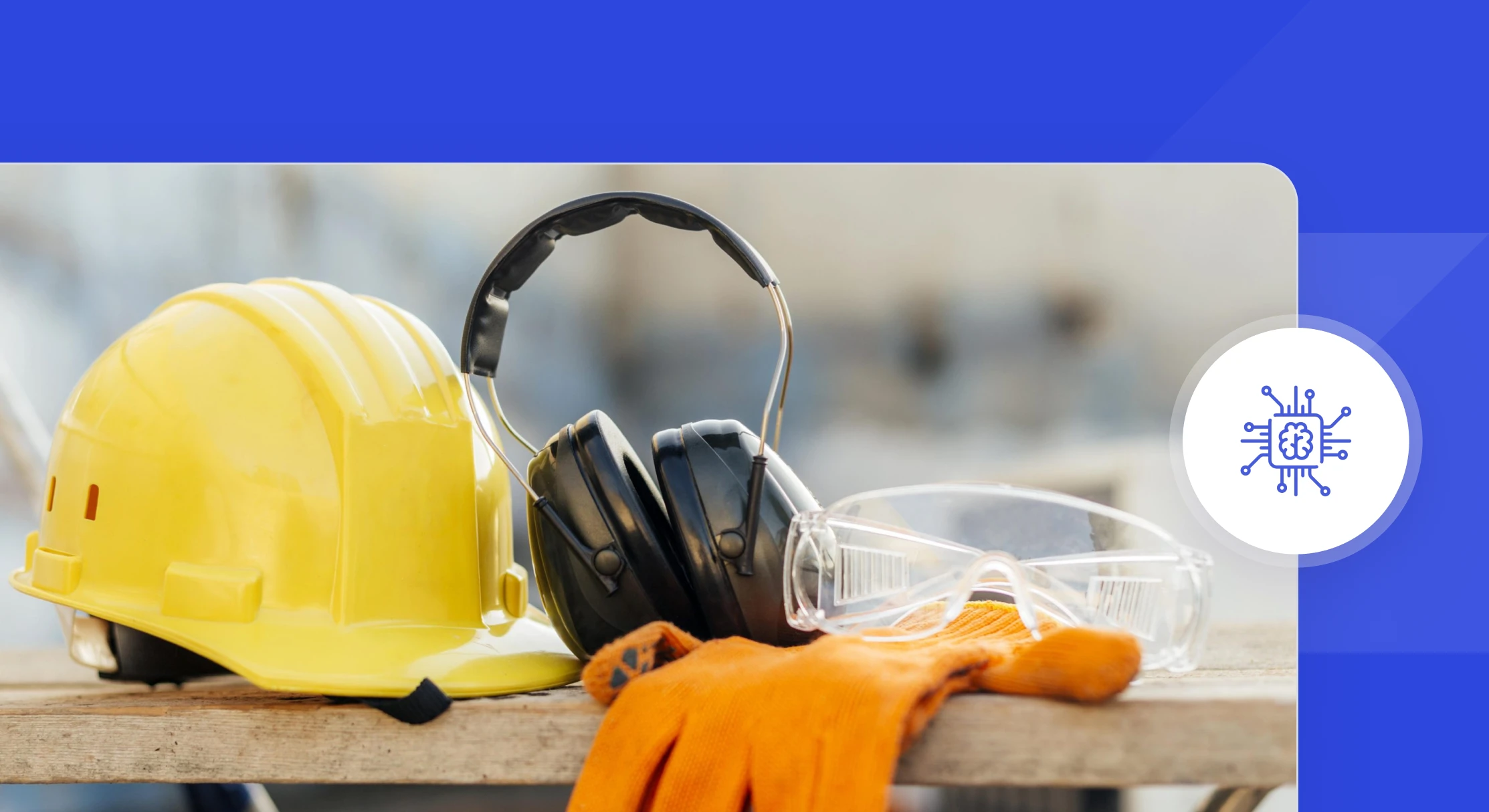
Occupational Health and Safety equipment (PPE – Personal Protective Equipment) refers to essential equipment used to protect workers against physical, chemical, and biological risks. It is categorized into head protection (helmets), eye and face protection, respiratory masks, ear plugs, gloves, safety shoes, and protective clothing.
It increases worker safety by protecting employees against workplace accidents, chemical exposure, and physical hazards.
Items such as helmets, goggles, gloves, masks, and safety shoes prevent injuries to the head, eyes, hands, and feet.
The occupational equipment regulation is a legal framework that defines the safe use of machinery, tools, and equipment in workplaces and aims to prevent occupational accidents. This regulation includes regular inspection, maintenance, and safe usage rules for equipment.
The periodic inspection regulation of work equipment also requires all equipment to be inspected at regular intervals by qualified professionals, ensuring a sustainable and safe working environment.
Personal Protective Equipment (PPE) refers to equipment used to protect workers against occupational accidents, diseases, and environmental risks. It is used when hazards cannot be eliminated at the source. PPE is a fundamental element of ensuring a safe working environment.
Helmets protect the head from impacts and falling objects, while face protection such as safety goggles and face shields protect the eyes and face from splashes, dust, and radiation.
Respiratory protection prevents inhalation of harmful gases and particles. Dust masks are used in lightly dusty environments, while gas masks are used in areas with chemical exposure risks.
Earplugs and earmuffs are used to prevent hearing loss caused by high noise levels and are considered mandatory equipment, especially in industrial environments.
Gloves reduce risks such as cuts and chemical exposure. Safety harnesses provide protection for working at heights. Work clothing and body protection equipment offer protection against general physical and chemical hazards.
Safety shoes (S1, S1P) protect against crushing, puncture, and slipping hazards and are considered a fundamental safety standard in industrial environments.
Traffic safety equipment includes reflective vests, cones, warning signs, barriers, and signal lights used to protect workers and drivers on-site. These tools reduce accident risks and increase visibility.
Traffic signs are used to guide and warn road users. They regulate traffic flow by providing speed limits, hazard warnings, and directional information, helping to prevent accidents.
Industrial work equipment includes heavy machinery and lifting systems used in manufacturing, construction, logistics, and maintenance sectors. They improve operational efficiency while enhancing safety.
A vehicle lift (car lift) is commonly used in automotive service centers and industrial facilities to safely elevate vehicles and facilitate maintenance and repair operations.
This website stores data such as cookies to enable site functionality including analytics and personalization. By using this website, you automatically accept that we use cookies.